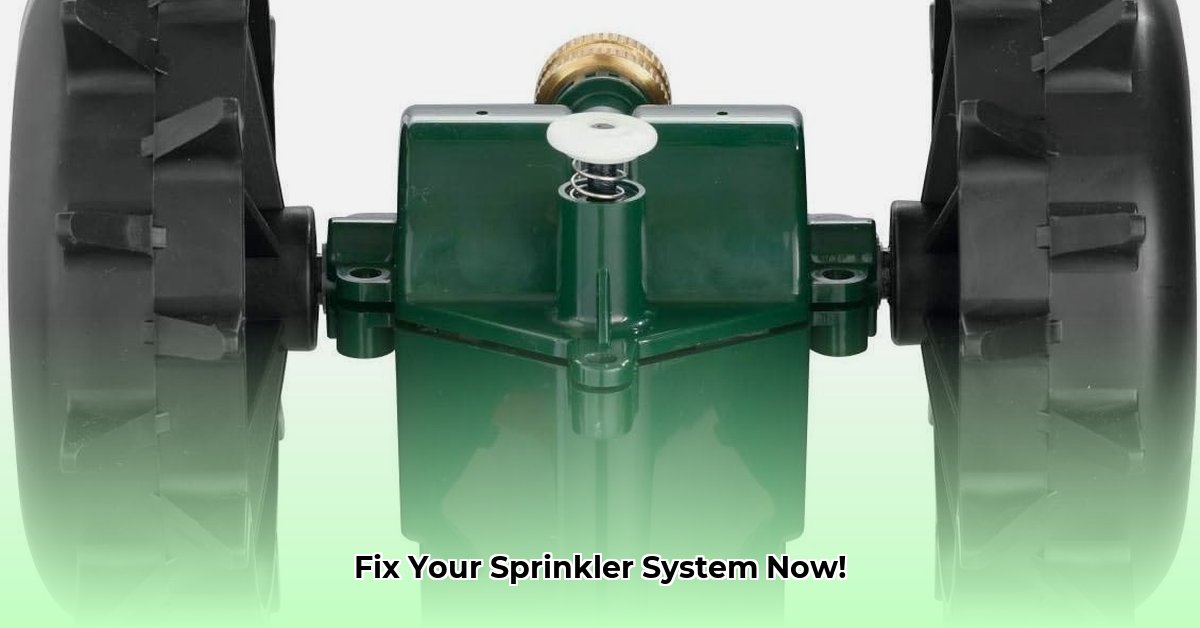
Lawn Tractor Sprinkler Parts: A Greener Approach to Irrigation
Keeping your lawn lush and green requires a reliable sprinkler system, but choosing the right parts is crucial for both efficiency and sustainability. This guide explores the world of lawn tractor sprinkler parts, focusing on smart choices for a healthier lawn and a healthier planet. We'll examine popular brands like Nelson, highlight eco-friendly options, and offer actionable advice to optimize your irrigation system. For more information on lawn tractors, check out this helpful resource.
The Market for Lawn Tractor Sprinkler Parts: A Growing Need for Sustainability
The market for lawn sprinkler parts is vast and competitive. Established brands like Nelson dominate, offering reliable and durable components. But a significant shift toward sustainable irrigation practices is underway. Consumers are increasingly demanding water-efficient and environmentally friendly solutions. This presents opportunities for innovation and the development of more sustainable products. However, a critical challenge remains: the lack of readily available sustainability data for many parts. This knowledge gap hinders informed purchasing decisions. Don't we deserve to know the environmental impact of the products we buy?
Choosing the Right Parts: A Practical Guide
Selecting the appropriate parts is crucial for a well-functioning and efficient sprinkler system. Here's a breakdown of key considerations:
Durability and Longevity: Invest in high-quality parts. Cheap components often break down quickly, leading to increased costs and environmental waste. Think of it like buying shoes – a good pair lasts longer.
Water Efficiency: Prioritize water-wise components. Look for adjustable spray heads and nozzles that allow precise water distribution, minimizing waste. How much water are you really using now?
Ease of Installation and Maintenance: Choose parts that are easy to install and maintain, minimizing the time and effort required for upkeep. Clear instructions and readily available replacements are essential.
Eco-Friendly Materials: Whenever possible, opt for parts made from recycled or renewable materials. Many manufacturers are now highlighting these characteristics on their packaging—look for them! This small change contributes to a larger sustainable effort.
Identifying your needs is vital. Consult your owner's manual or the manufacturer's website (e.g., Nelson's) for diagrams and exploded views to easily identify needed parts. Regular cleaning and inspections go a long way in extending the lifespan of your sprinkler components.
Smart Watering: Beyond the Parts
Sustainable irrigation involves more than just choosing the right parts; it's about how you use your system. These simple adjustments can drastically reduce water waste and improve lawn health:
Time it Right: Water during cooler parts of the day (early morning or evening) to minimize evaporation. "Is your watering schedule truly efficient?"
Targeted Watering: Focus watering on the root zone to avoid overwatering and wasted water. Drip irrigation is a prime example of targeted watering.
Monitor Soil Moisture: Use soil moisture sensors to determine when your lawn actually needs water.
Regular Maintenance: Regularly check for leaks, clogs, and broken parts. A well-maintained system is a water-wise system. "Did you know that a small leak can waste gallons of water over time?"
This simple adjustment can mirror the success of farmers who've switched from flood irrigation to drip irrigation, seeing significant water savings and improved crop yields.
A Call for Transparency: Addressing the Knowledge Gap
A major challenge is the lack of readily available sustainability data for many sprinkler parts. Manufacturers need to provide transparent data on the life cycle impacts of their products. Consumers should demand this information to make truly informed decisions. “We need clear labeling, just like we have for food products,” says Dr. Emily Carter, Environmental Engineer at the University of California, Berkeley.
Sustainable Alternatives: A Comparison
Different irrigation systems offer varying degrees of water efficiency and environmental impact. Let's compare some options:
| Feature | Traditional Sprinklers | Drip Irrigation | Smart Irrigation Systems |
|---|---|---|---|
| Water Efficiency | Moderate | High | High |
| Installation | Relatively easy | Can be moderately complex | More complex, often needs professional help |
| Maintenance | Moderate | Lower | Moderate |
| Cost | Lower initial cost | Higher initial cost | Highest initial cost |
How to Choose Sustainable Irrigation Parts for Existing Nelson Systems
Let's focus on how to improve existing Nelson systems with sustainable choices:
Assess Your System: Identify current sprinkler heads and components to ensure compatibility with sustainable replacements.
Prioritize Materials: Opt for parts made from recycled materials or those with a lower environmental impact. Are the materials used clearly indicated on the packaging?
Focus on Water Efficiency: Select sprinkler heads designed for precise water distribution. Avoid models known for overspray. Matching nozzles to your system's pressure is crucial for optimal water use.
Invest in Durability: High-quality, long-lasting parts minimize frequent replacements.
Ensure Part Compatibility: Always check compatibility with your existing Nelson system. Incorrect parts lead to inefficiency.
Implement Sustainable Practices: Regularly maintain your system, consider smart controllers, and utilize soil moisture sensors.
By making informed choices and adopting sustainable practices, you contribute to a healthier lawn and a healthier planet. Remember, responsible irrigation is an ongoing process; continuous learning and improvement are key to achieving a truly sustainable setup.